Windows are an integral part of your home design. They increase function by allowing natural light to stream in, and windows that open offer better airflow and ventilation. These architectural features also elevate your home’s aesthetic complexity and style.
When comparing different window types for house upgrades, you must consider a variety of factors. Which windows best fit your home style and personal taste? Do they offer the functional benefits you’re looking for? Do they work with your budget?
If you plan to sell your house, new windows could boost its perceived value and deliver some return on your investment. Modern windows can also add to your enjoyment and reduce your utility bills if you plan to stay in your home. Upgrading to energy-efficient models could save you as much as 15% on energy costs.
To choose the best options for your next upgrade, you must first understand the different kinds of windows available. Here are nine models that stand to improve the function and appeal of your home.
1. Awning Windows
Awning windows have a hinge at the top that allows them to open outward from the bottom. When open, their shape resembles that of an exterior awning. These windows are smaller than most window types, but they offer a range of attractive benefits.
Their smaller size makes awning windows ideal for basements, where there is little above-ground wall space for windows. When placed higher on the wall in upper stories, they provide added privacy without sacrificing natural light. This makes them a practical choice for bathrooms and bedrooms that face neighboring buildings.
An awning window style offers a functional solution in wet weather conditions, as well. The angled design allows breezes in while funneling water away from the sill and the building’s foundation. It also increases airflow in humid interior spaces, such as bathrooms or basement laundry rooms. Simple, hand-crank operation makes it easy to enjoy your preferred level of ventilation.
2. Double-Hung Windows
Double-hung windows are the most common type of windows found in both modern and traditional dwellings. This style has remained popular for centuries due to its outstanding function and elegant form.
These classic windows feature a bottom and a top sash. The bottom sash can move upward, and the top sash can move down. This allows for customization of both ventilation and privacy, particularly when paired with window coverings like top-down, bottom-up blinds.
The symmetrical appearance of double-hung windows makes them a particularly attractive choice for a variety of home styles. The ability to easily adjust the opening allows you to control airflow and optimize the comfort of your home. This is especially true when you choose energy-efficient products, like double-pane glass.
3. Casement Windows
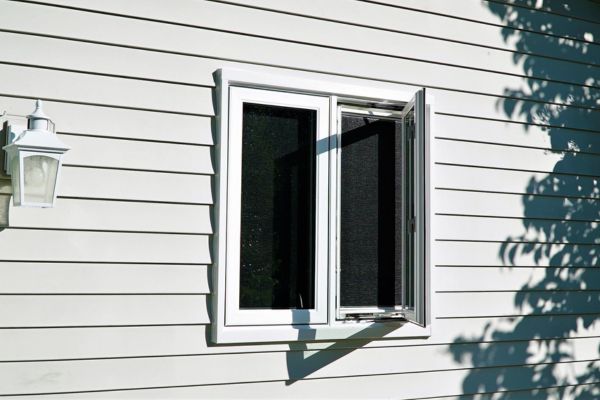
Like awning windows, casement windows usually offer easy crank operation. However, they have hinges on one side rather than at the top. The opening may extend up to a 90-degree angle, providing for increased ventilation. Because they open outward, casement windows may have screens on the inside of the window.
This category has a few different window types to explore. Consider a configuration featuring two casement windows side-by-side, or place one next to a fixed window pane. You can also place two casement windows on either side of a fixed, central pane.
Your choice will depend on the wall space available for window placement. You must also weigh light versus privacy. Finally, consider your preferences for airflow in the room and throughout your home. These rectangular windows are ideal for tight spaces in kitchens or bathrooms that require extra light and ventilation.
 4. Sliding Windows
 4. Sliding Windows
You can choose among many different kinds of windows, like casement or awning styles, when you have plenty of room to work with. However, sliding windows offer a better view and increased ventilation. That makes these models a lovely option for large, open wall spaces.
In other words, sliding windows help you make the most of your available space. They include one fixed window and a second panel of equal size that slides horizontally on a track. Easy to open and close, these windows facilitate optimal airflow and a connection with the outdoors.
Function is important, but sliding windows also provide a relatively unobstructed view. Simple construction with minimal framing complements contemporary architectural design and minimalist interiors. It’s also the simplest way to enjoy nearly picture-window views with the option to let fresh air in.
5. Basement Egress Windows
Not every home has the potential for a daylight basement that has enough above-ground wall space for full-height windows. Fortunately, there are a few kinds of windows that work well in basements that have minimal wall space.
Small awning or slider models are common in below-ground areas. Alternatively, you could dig an exterior cavity and install an egress window. These windows get their names because they are large enough to serve as exits.
An egress window may function as a casement or slider, depending on available horizontal wall space. Either way, part of it will extend below ground level. This is why you must first excavate a large hole, or window well, that meets applicable building code standards.
Because an egress window is large enough to serve as an emergency exit, it can make a below-ground living space safer. And while it may not offer much of a view, it can let in a great deal of natural light. An opening window in a basement also greatly increases ventilation. Finally, modern egress windows are surprisingly energy-efficient.
6. Picture Windows
Does your home overlook a vast cityscape, border a waterway, or sit nestled amid the beauty of nature? If so, you want to make the most of your spectacular views with the right house window types.
Picture windows are the ideal choice, offering generous and unobstructed views of the outdoors. Typically aligned for a landscape view, picture windows are often larger than alternatives like double-hung or casement windows. In some homes, they even offer floor-to-ceiling views.
You cannot open picture windows to allow breezes to flow through. However, the trade-off is that there are zero internal framing pieces. A single, unobstructed window surface will showcase an outdoor scene in all its glory. It also lets in lots of natural light.
Perhaps you want to blur the lines between your interior and a beautiful outdoor setting. Picture windows offer an exceptional connection to nature from the comfort of your living space. When you choose modern, energy-efficient models, you can minimize heat gain and loss, even in cold or hot weather.
7. Bay Windows
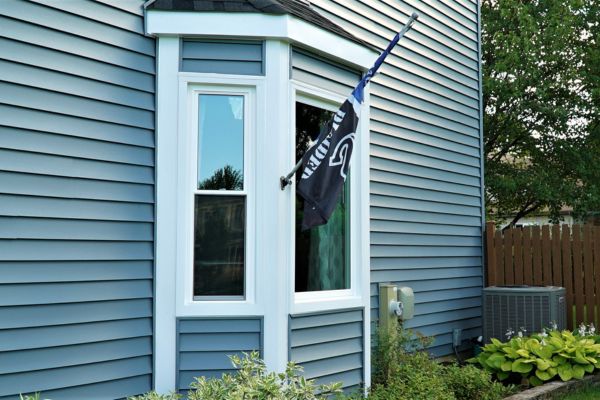
Bay windows, common in many traditional home styles, are among the most luxurious kinds of windows. They feature three panels, starting with a central panel parallel to the home’s façade. Two other panels flank the center one, angled at either side to form an alcove.
This alcove enhances the light coming in and extends the usable square footage of a room. If you crave a cozy reading nook or a breakfast banquette, a bay window is the perfect spot.
Bay windows come in several configurations. They may feature a large, fixed central window with operational casement or double-hung side windows. In other cases, all the windows are operational.
The framing between central and side panels could be minimal or bulky, depending on your preferences and architectural style. Regardless, you will enjoy more light and ventilation, as well as an elevated design.
8. Bow Windows
 8. Bow Windows
When you’re considering different types of windows, it’s easy to confuse bay and bow window designs. There are a few noticeable differences, though.
Bay windows have an angular shape, with a larger central panel and two smaller flanking panels. Bow windows feature a more gradual curve, thanks to two main characteristics. First, they have more panels — typically four to six. Second, these panels are of equal size, while the central panel in a bay window is often larger than the other two.
However, bow windows offer many of the same benefits as bay windows, including added light and square footage. You can choose either fixed or operational panels, depending on your preferences for airflow.
9. Shape Windows
All windows have a shape, but most of these shapes are square or rectangular. However, these aren’t your only two options when you’re looking for stylish and different kinds of windows for homes.
Shape windows go beyond squares and rectangles. They may feature angles smaller or greater than 90 degrees. Some geometric examples include triangular, octagonal, or trapezoidal windows. Many feature arcs, ovals, circles, half-moons, or other curved shapes.
Unusual window shapes may fit into small or odd spaces in ways standard windows can’t. They can therefore increase opportunities for natural light and ventilation in areas that might otherwise go windowless. What’s more, they add plenty of personality to your exterior architecture and interior design.
Embrace the Benefits of Window Upgrades
Replacing outdated windows is an opportunity to not only improve function but also enhance the aesthetics of your home. When you know all of the different kinds of windows available, you can redefine how your home fits your lifestyle.
At Your Window Solutions, we have the expertise and inventory necessary to help you update windows in style. Contact us now to get started.